Getting around Poole depends on where you live and the journeys you make most often. A home near a railway station or a useful bus route can make travelling without a car more practical, while other addresses require extra planning. This guide covers Poole’s stations, bus connections, commuting, walking, cycling and evening travel, with examples to help you assess the complete journey from your front door to your destination.
16th October 2026
“Good transport links” can mean very different things in a property description.
A nearby railway station may be useful for travelling towards Southampton, but less convenient for a workplace on the other side of Poole. A bus passing your street might serve the town centre directly while requiring a change for school or childcare.
We’d begin with three journeys: your regular commute, an everyday errand and your journey home after an evening out.
Check each one from the exact address you are considering. Include walking, waiting, connections and the final distance from the station or bus stop.
Poole, Parkstone, Branksome and Hamworthy provide different starting points for rail travel. Check the stopping pattern of individual trains rather than assuming every service calls at every station.
Poole station
Poole railway station is the central option to investigate for town-centre homes and connections from surrounding neighbourhoods.
The station, bus station and Quay are separate locations. If your journey involves transferring between them, allow time for the walk rather than treating them as a single interchange. SWR’s station page provides information about facilities, accessibility and onward travel.
Parkstone station
Parkstone station is particularly worth investigating for homes around Ashley Cross and Lower Parkstone.
A property advertised as being in Parkstone may still involve a substantial walk to the station. Try the route in both directions, including the gradients and road crossings. Check the operator’s accessibility information if steps or slopes could affect your journey.
Branksome station
Branksome station is another option for residents on the eastern side of Poole.
Compare rail with buses along the Poole-Bournemouth corridor. The better choice will depend on where you need to finish your journey, as well as how close you live to the station.
Hamworthy station
Hamworthy station serves the western side of Poole, but it is not beside Hamworthy Park or Poole Quay.
Check the route from the property to the station entrance, then investigate the specific services you would use. Include the journey back from the station after dark.
For Bournemouth journeys, compare train and bus travel from door to door.
South Western Railway provides a Poole–Bournemouth journey planner. However, arriving at Bournemouth railway station is not the same as arriving at an office near the Square, seafront or elsewhere in town. Include the onward walk or bus connection.
The m1 and m2 buses connect Poole with Bournemouth via Upper Parkstone, Branksome and Westbourne. These can be worth comparing with rail when your destination is closer to their stops.
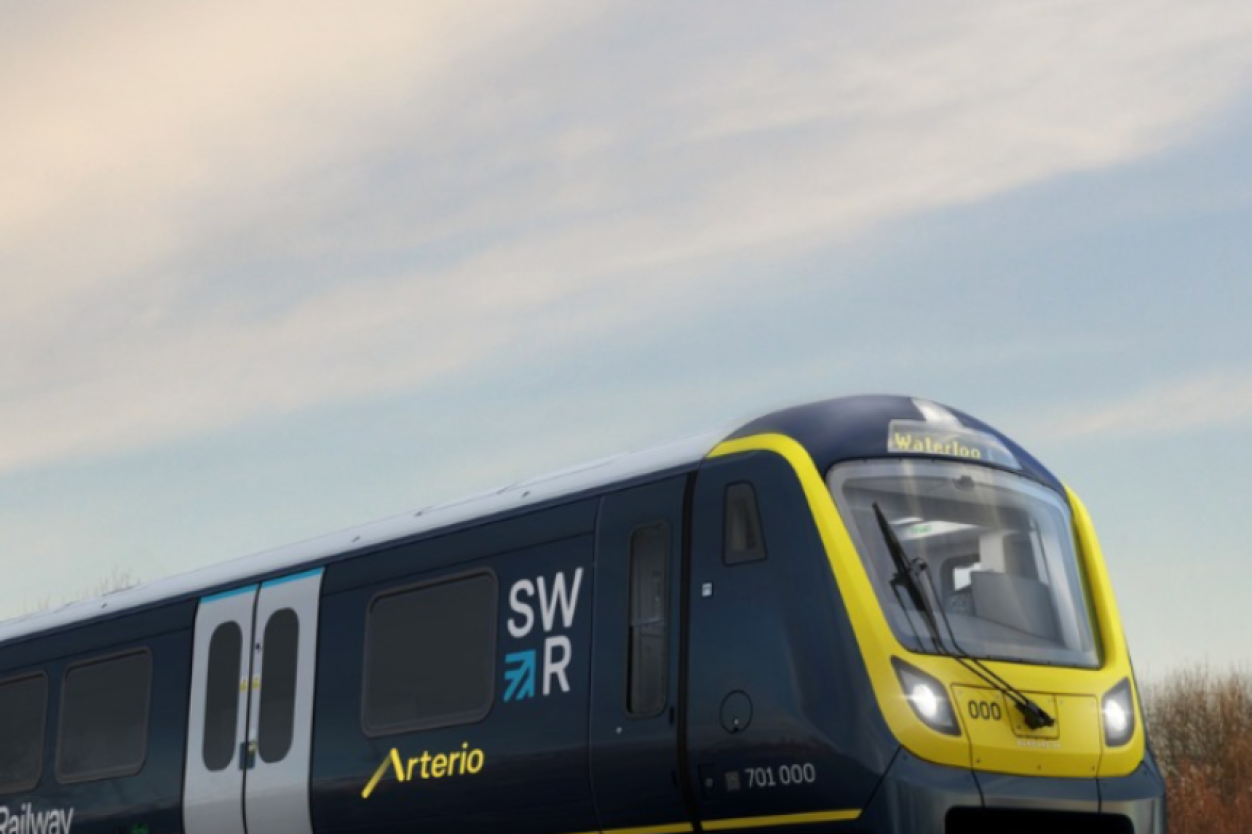
For longer commutes, investigate services towards Southampton, Winchester and London Waterloo through South Western Railway. Its Poole–London Waterloo page provides a starting point for date-specific searches.
For regular travel, compare the tickets available for your actual working pattern. Include station parking or connecting buses, and check restrictions before relying on a particular fare.
A journey that works for occasional office visits may feel very different five days a week.
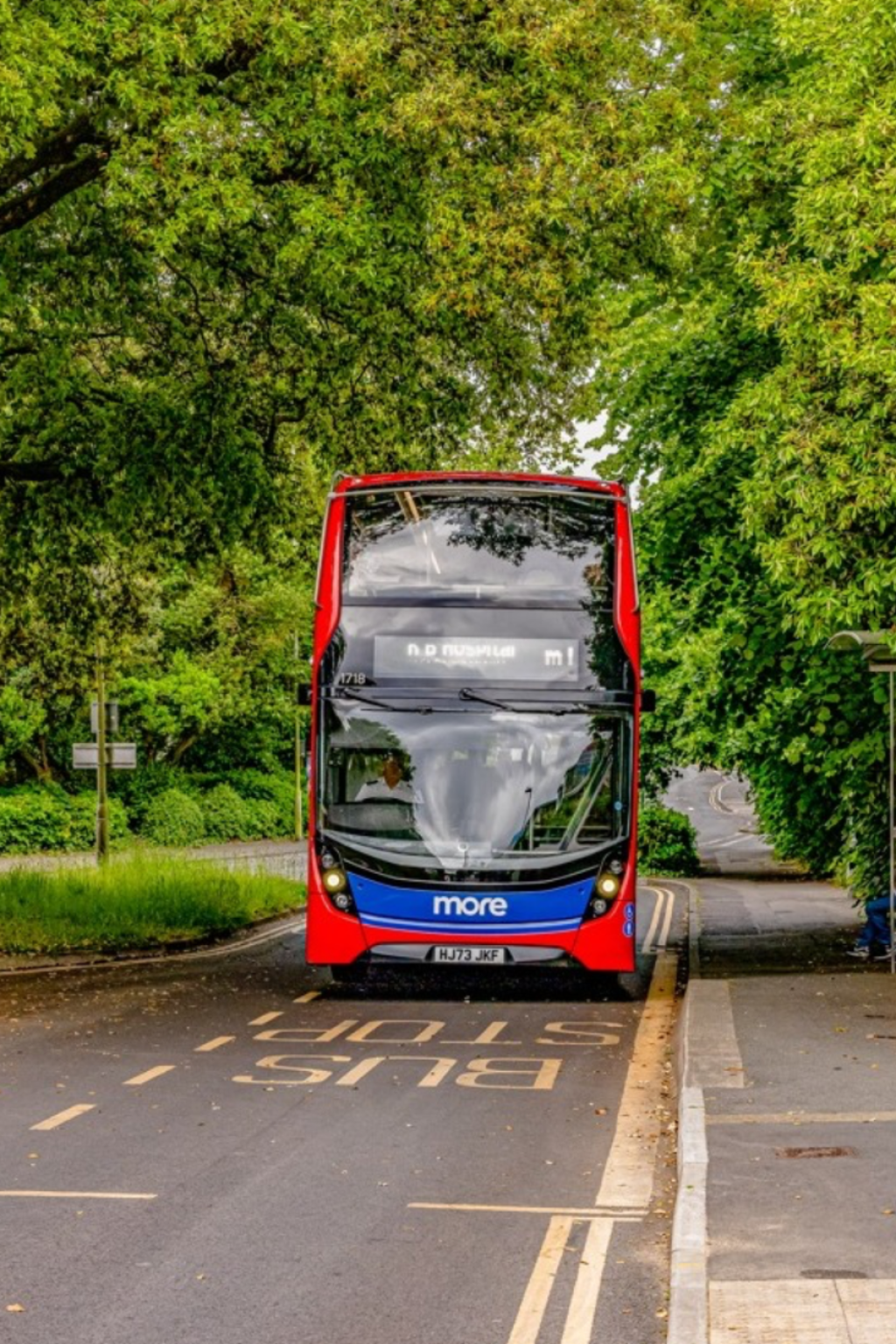
Morebus connects residential areas with central Poole and neighbouring towns. The network is useful to explore by route, rather than simply checking whether there is a stop nearby.
Current examples include:
Use the Morebus journey planner to compare services from your nearest stops. Check the direction, destination and day of operation.
For circular services, the route taken matters: a bus displaying the right destination may travel around a longer section of the circuit than you expect.
Town centre and Old Town: investigate walking access to shops, the bus station and Poole railway station. Homes nearer the Quay involve a different walk from those nearer the Dolphin.
Ashley Cross and Lower Parkstone: proximity to Parkstone station may be useful, but test gradients and the distance from the particular street.
Upper Parkstone and Branksome: compare homes against the m1/m2 corridor and, where appropriate, Branksome station. Being close to a useful route can matter more than being close to central Poole.
Broadstone, Oakdale and Canford Heath: identify the bus routes serving the exact address. Some journeys are direct; others require a change or a walk to a different corridor.
Hamworthy and Upton: compare bus connections with the practical journey to Hamworthy station. A station elsewhere in the district is not automatically a convenient daily option.
Canford Cliffs and Sandbanks: check work, shopping and evening travel separately from beach access. The Harbour Breezer 60 is one route to investigate, with its current route linking Rockley Park and Sandbanks.
Walking can make a substantial difference to the convenience of a home. Try carrying shopping, pushing a buggy or walking at your normal pace rather than estimating from a map.
Around Parkstone and Penn Hill, include the climb home. Near busy roads, locate the crossing you would actually use. For evening journeys, assess lighting and whether the route remains practical after shops and other premises close.
For cycling, start with BCP Council’s cycle-route information and map. Inspect the complete route: a pleasant off-road section may connect to a junction or road you would prefer to avoid.
Check secure cycle storage at home and at your destination. If you intend to take a bicycle on a train, consult the operator’s current cycle policy for the service you plan to use.
A waterfront leisure ride and a reliable winter commute can place different demands on the same route.
Always check the return journey before deciding that an address works without a car.
Morebus currently advertises its night buses as operating every night of the week. The N1 follows the m1 corridor, while the N2 follows the m2 route towards Southbourne before continuing towards Christchurch and Two Riversmeet. Check the night timetable separately from daytime services.
These routes do not provide an overnight connection to every Poole neighbourhood. You may still need a walk, another service or a taxi after reaching the main corridor.
At the time of checking, Morebus also listed temporary Bournemouth town-centre stop changes associated with the Gervis Place works. Use current service alerts rather than relying on an older stop description.
For trains, check the last suitable departure and the connection home from your arrival station. Sunday services, engineering work and replacement buses can change the practical journey.
It can be practical when your home, work and essential services fit the available network. The answer depends on the household’s complete routine.
Before deciding, check whether you can:
Price the whole arrangement, including occasional taxis or deliveries if you expect to use them. For some households, using one car instead of two may be a more realistic goal than giving up driving entirely.
We’d try a normal weekday using the transport you expect to rely on before committing to a move. The most useful transport link is the one that works from your front door, at the times you need it, in both directions.
If you enjoyed this, you may also enjoy:


 Spanish
 Chinese (simplified)
 Dutch
Dutch French
 German
 Italian
 Norwegian
 Polish
 Romanian
 Russian