Looking for the best things to do in Poole? Beyond its famous harbour and golden beaches, the town offers wildlife-filled islands, historic streets, ornamental gardens, watersports, family attractions and memorable experiences found nowhere else in Dorset. Whether we are crossing the water to Brownsea Island, exploring Poole’s maritime past or discovering a quieter stretch of coastline, these are some of the best ways to experience Poole.
13th September 2026
Poole is best known for its harbour, but the town offers far more than attractive waterfront views. Visitors can cross the water to a wildlife-rich island, explore historic streets, discover internationally inspired gardens or spend a traditional day beside the sea.
The strongest Poole itineraries combine its famous coastal scenery with experiences that reveal more about the area’s wildlife, history and maritime character. Here are five of the best things to do in Poole.
A trip to Brownsea Island is one of the most distinctive experiences in Poole. The adventure begins on Poole Quay, where passenger boats cross the harbour towards the island’s wooded shoreline.
Although Brownsea sits only a short distance from the mainland, arriving there feels like stepping into a quieter and more secluded part of Dorset. Its landscape combines woodland, heathland, coastal paths and a sheltered lagoon that attracts a wide variety of birds.
Brownsea is particularly famous for its population of red squirrels. These animals have disappeared from many parts of southern England, making the island one of the best places in the region to look for them. Sightings are never guaranteed, but walking quietly through the wooded areas gives us a realistic opportunity to spot one moving between the trees.
The island is also important for its connection to the beginnings of the worldwide Scout movement. Families can follow seasonal trails, visit the natural play area and explore different walking routes, while wildlife enthusiasts can spend time around the lagoon and bird hides.
Before taking the boat back, it is worth stopping near the café, where the views stretch across the harbour towards Sandbanks, Studland and the Purbeck Hills.

Poole Harbour is central to the town’s identity, but its true scale is difficult to appreciate from the shoreline alone.
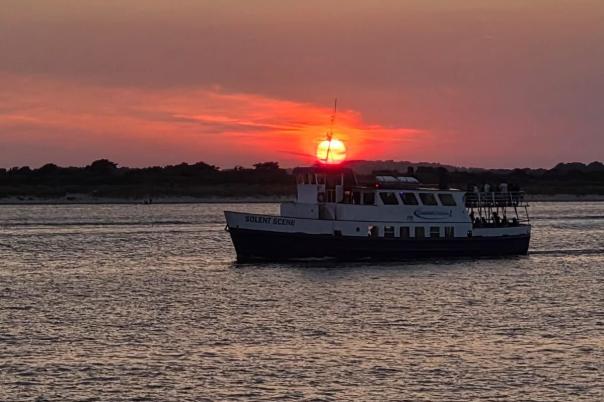
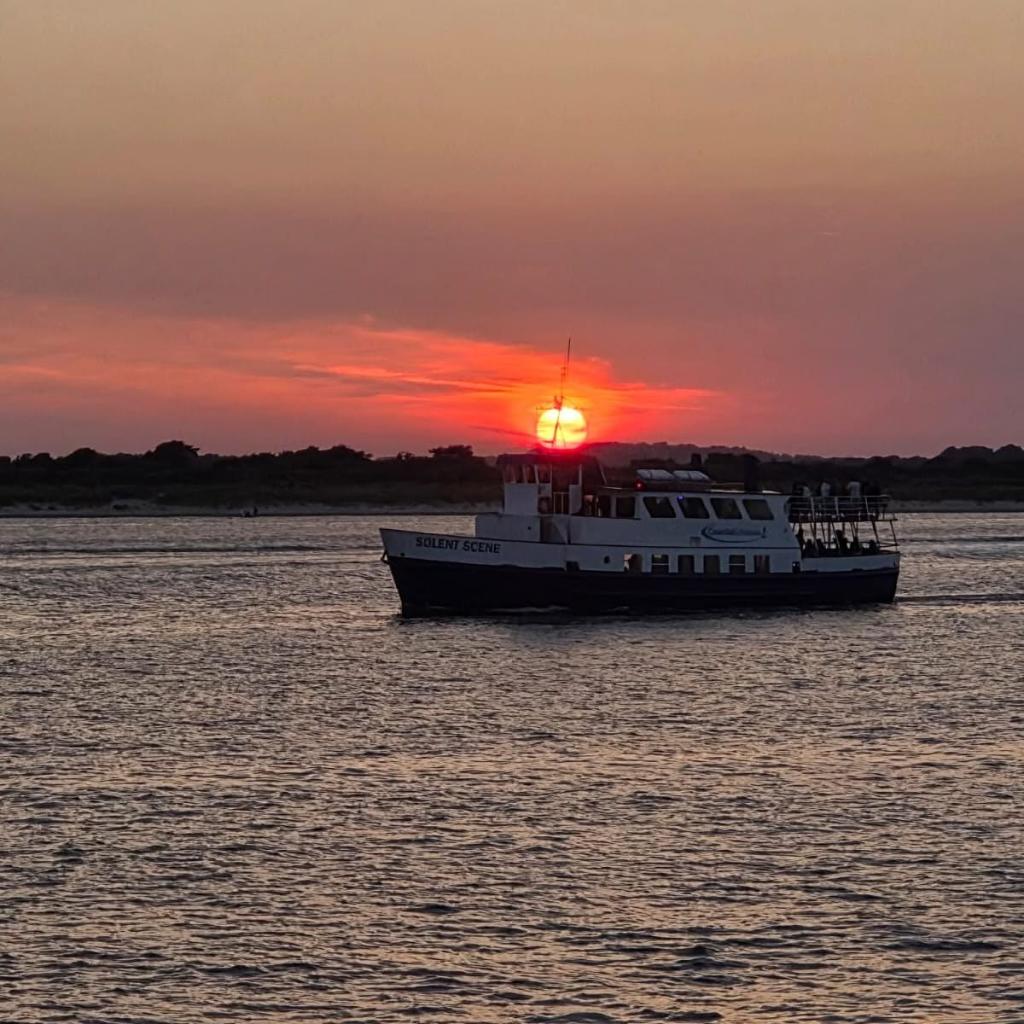
Sightseeing cruises leave from Poole Quay and travel past wooded islands, marinas, sailing boats and some of the most exclusive waterfront properties in Dorset. Depending on the chosen trip, boats may continue towards Swanage, the Jurassic Coast or the Wareham River.
A harbour cruise is particularly worthwhile for first-time visitors because it helps explain the geography of the area. From the deck, we can see how Poole, Sandbanks, Brownsea Island, Studland and the Purbeck coastline fit together.
Many trips include commentary about the harbour’s history, wildlife and landmarks, adding context to the scenery. The experience can feel peaceful on a calm day, but there is usually plenty to watch, from working boats and ferries to yachts navigating the channels.
Visitors who would rather be more active can also explore the harbour by paddleboard, kayak or sailing boat. Its sheltered waters have made Poole an established destination for watersports, with local activity providers offering equipment hire and lessons for different ability levels.
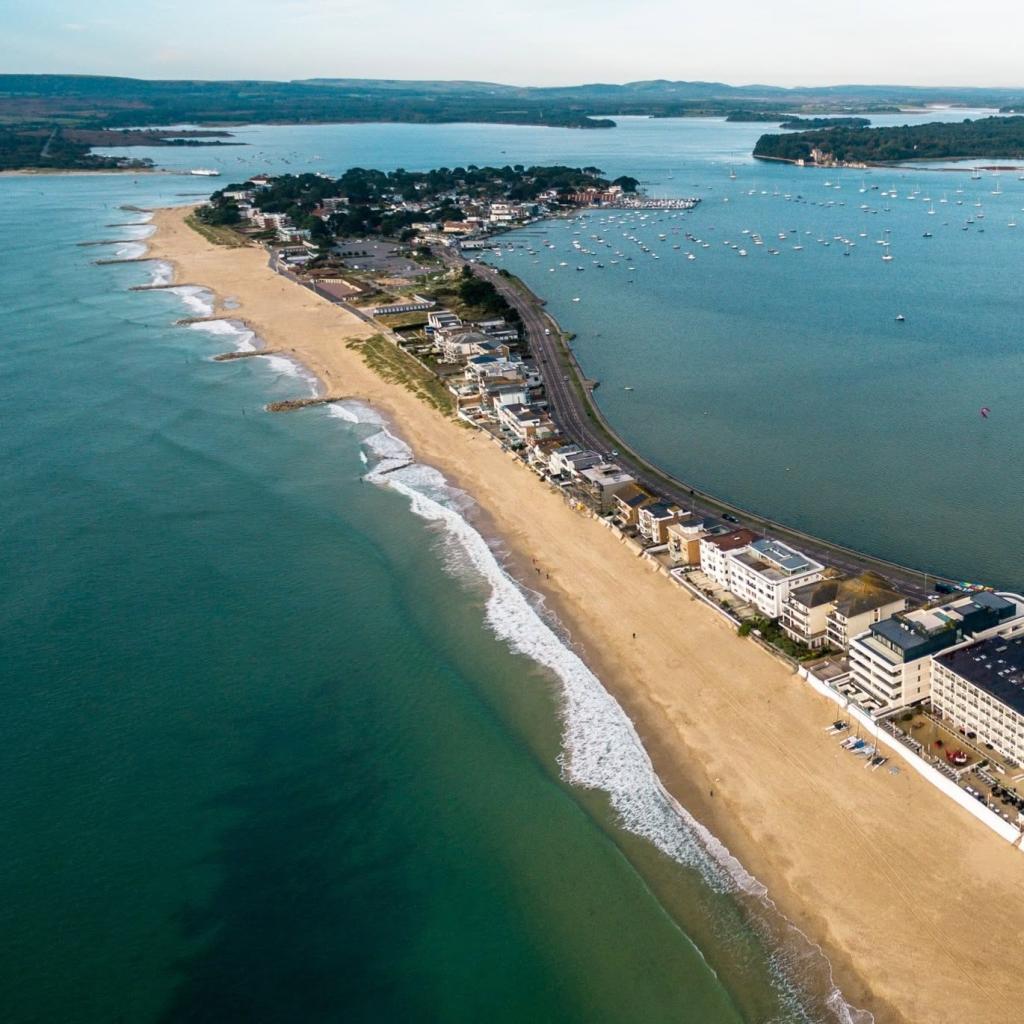
Sandbanks Beach remains one of Poole’s biggest attractions, and its popularity is easy to understand.
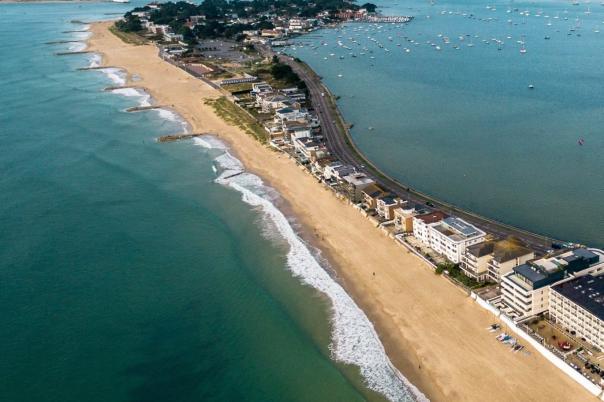
The beach offers a broad expanse of golden sand, clean bathing water and views across Poole Bay. Its gently shelving shoreline makes it popular with families, while the promenade provides a scenic route for walking towards Canford Cliffs and Branksome Chine.
A visit to Sandbanks becomes more interesting when we explore both sides of the peninsula. The main beach faces the open sea, while the opposite shoreline looks across the calmer waters of Poole Harbour. Walking towards the chain ferry reveals a completely different view, with Shell Bay and the Purbeck Hills visible across the harbour entrance.
Facilities nearby make it possible to spend most of the day here, with places to eat, public toilets and watersports available around the peninsula. During the summer, the beach becomes extremely busy, so arriving early is advisable.
Sandbanks may be associated with luxury homes and high property prices, but the real appeal remains the landscape: an unusually beautiful meeting point between beach, harbour and open sea.
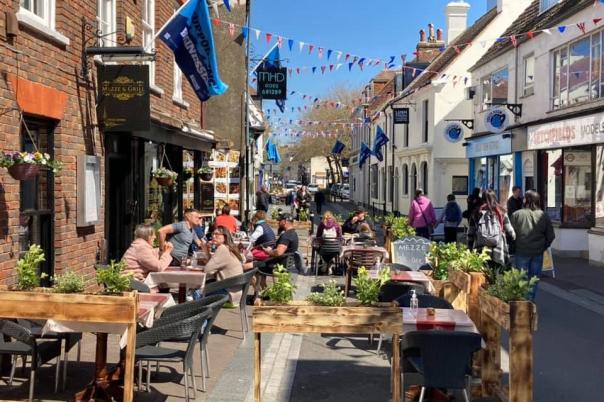
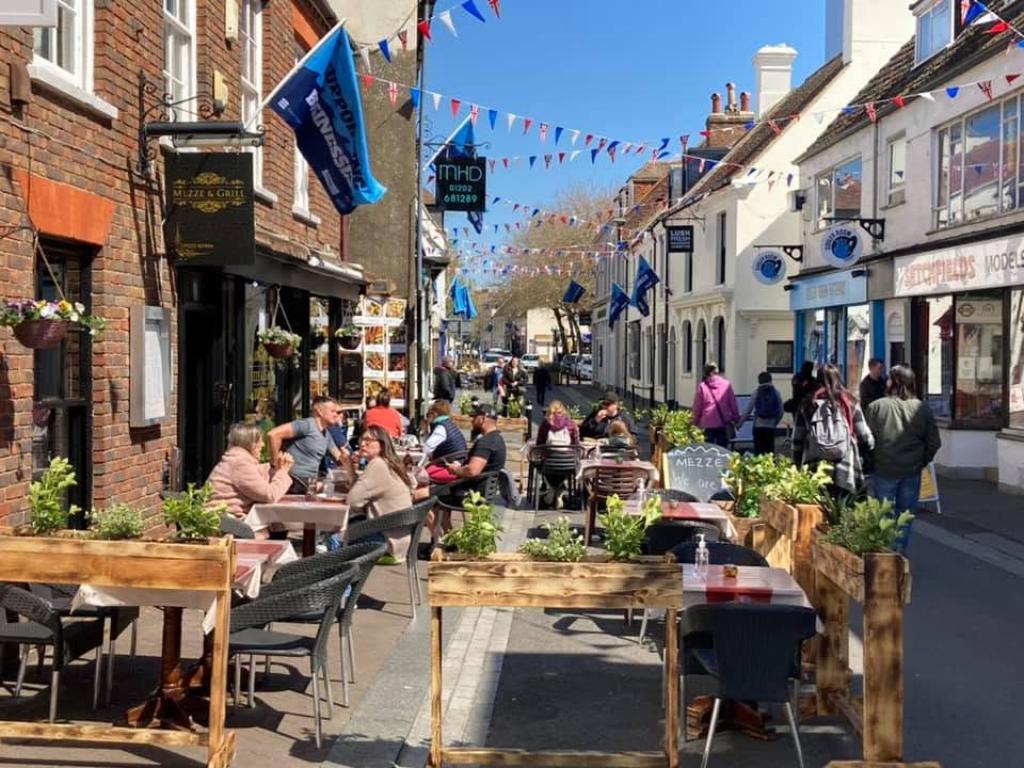
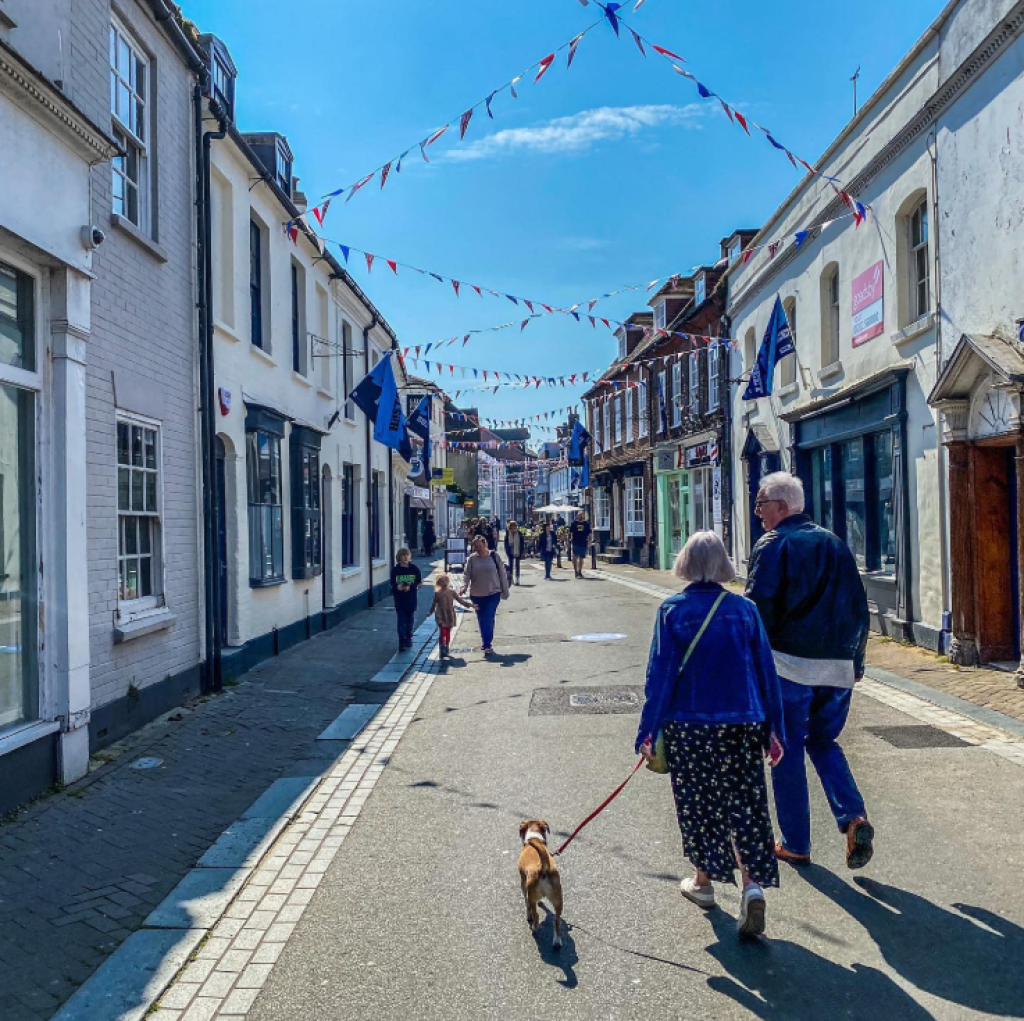
Poole Quay is one of the best places to understand the town’s maritime character. Working vessels, pleasure boats, traditional pubs and waterfront restaurants create an atmosphere that feels lively without losing its historic identity.
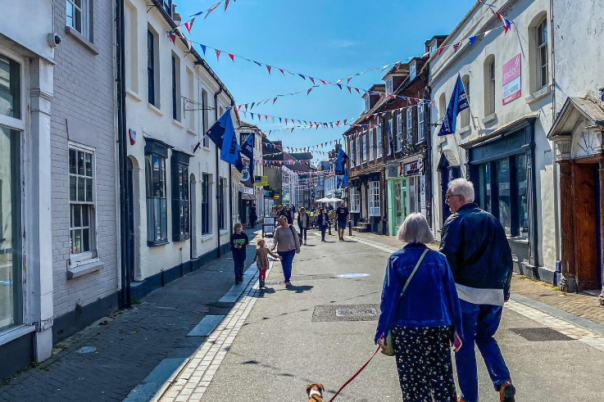
Rather than staying only on the quay, visitors should continue into Poole Old Town. Narrow streets, courtyards and historic buildings reveal a side of Poole that can easily be overlooked when travelling directly to its beaches.
The town grew through maritime trade, and reminders of that past can still be found throughout the area. Poole Museum provides the clearest introduction to the people, industries and events that shaped the town, with displays covering subjects including archaeology, local trade and harbour life.
The museum is housed across a collection of historic buildings and is free to visit, making it an easy addition to a day on Poole Quay. Nearby Scaplen’s Court is another important part of the town’s heritage and offers a glimpse into domestic life in historic Poole.
After exploring, we can return to the quay for lunch, a drink overlooking the water or an evening walk among the illuminated boats.
Compton Acres provides a quieter alternative to Poole’s beaches and waterfront attractions.
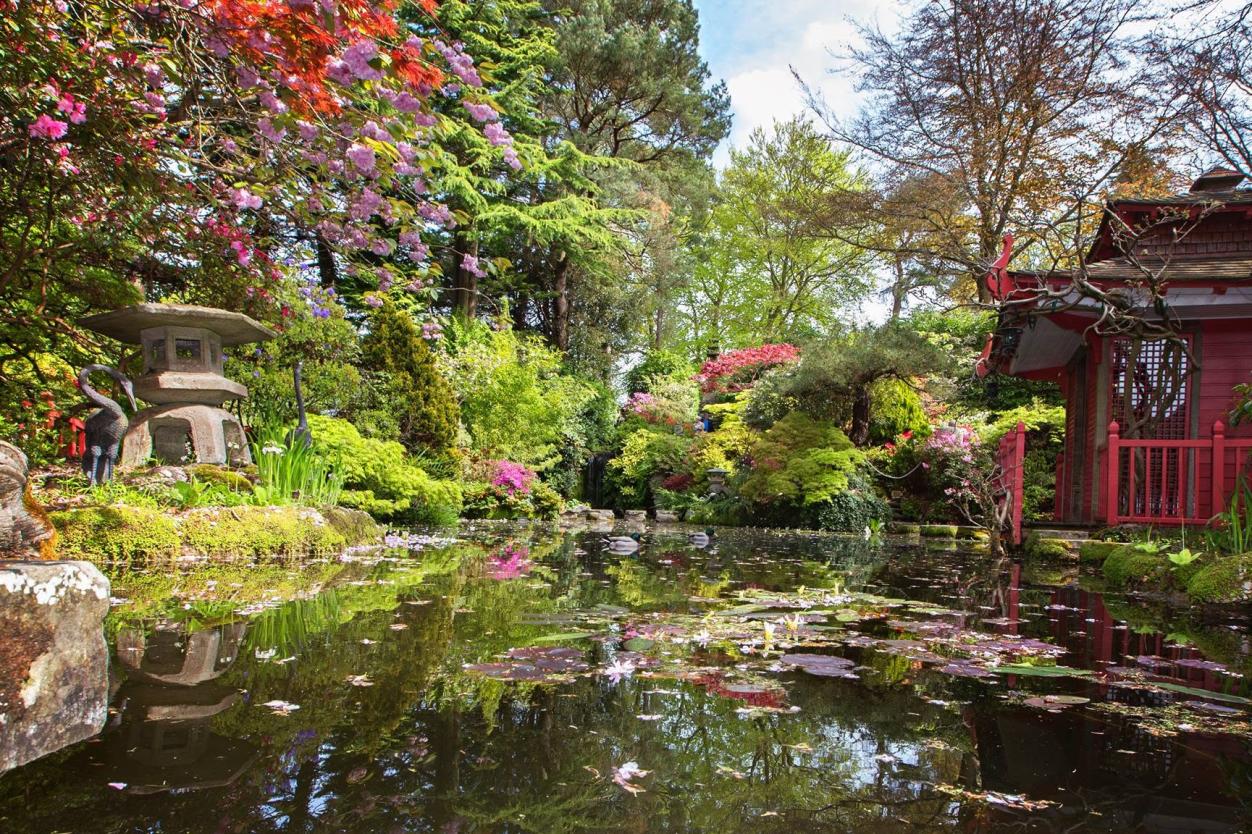
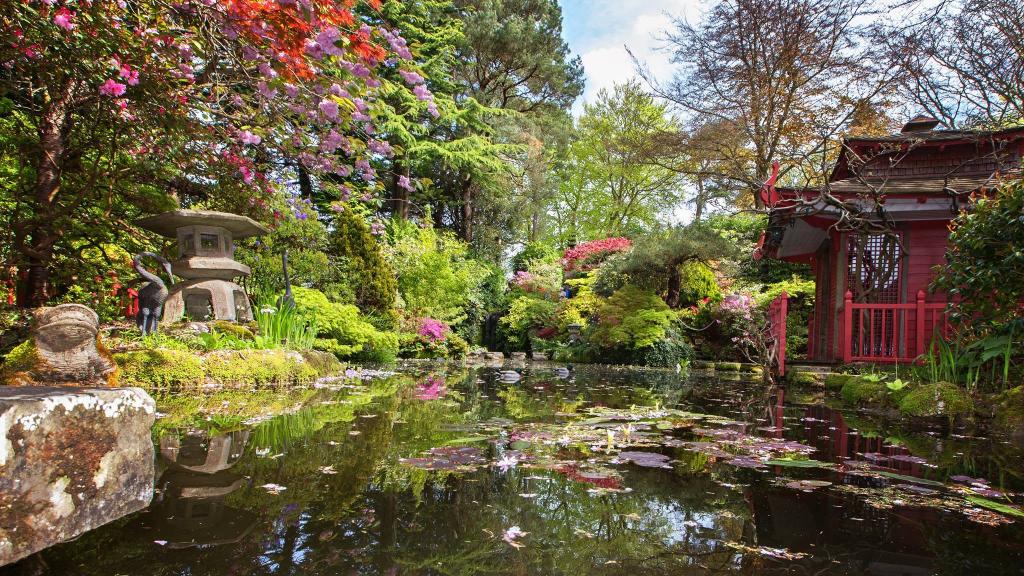
Created during the 1920s, the ten-acre site is divided into five contrasting ornamental gardens. Each has been designed around a different style, meaning the experience feels more like moving through a collection of landscapes than visiting one traditional garden.
The Italian Garden is the most formal, with statues, fountains, symmetrical planting and views towards the Italian Villa. Elsewhere, visitors can explore wooded paths, subtropical planting, rock features and secluded corners filled with seasonal colour.
One of the pleasures of Compton Acres is the sense of discovery. Pathways curve out of view, planting changes between sections and each garden creates a noticeably different atmosphere.
It is an especially appealing choice for couples, photographers and garden enthusiasts, but visitors do not need specialist knowledge to enjoy it. The varied scenery, water features and sheltered paths make it feel more immersive than a conventional public park.


 Spanish
 Chinese (simplified)
 Dutch
Dutch French
 German
 Italian
 Norwegian
 Polish
 Romanian
 Russian